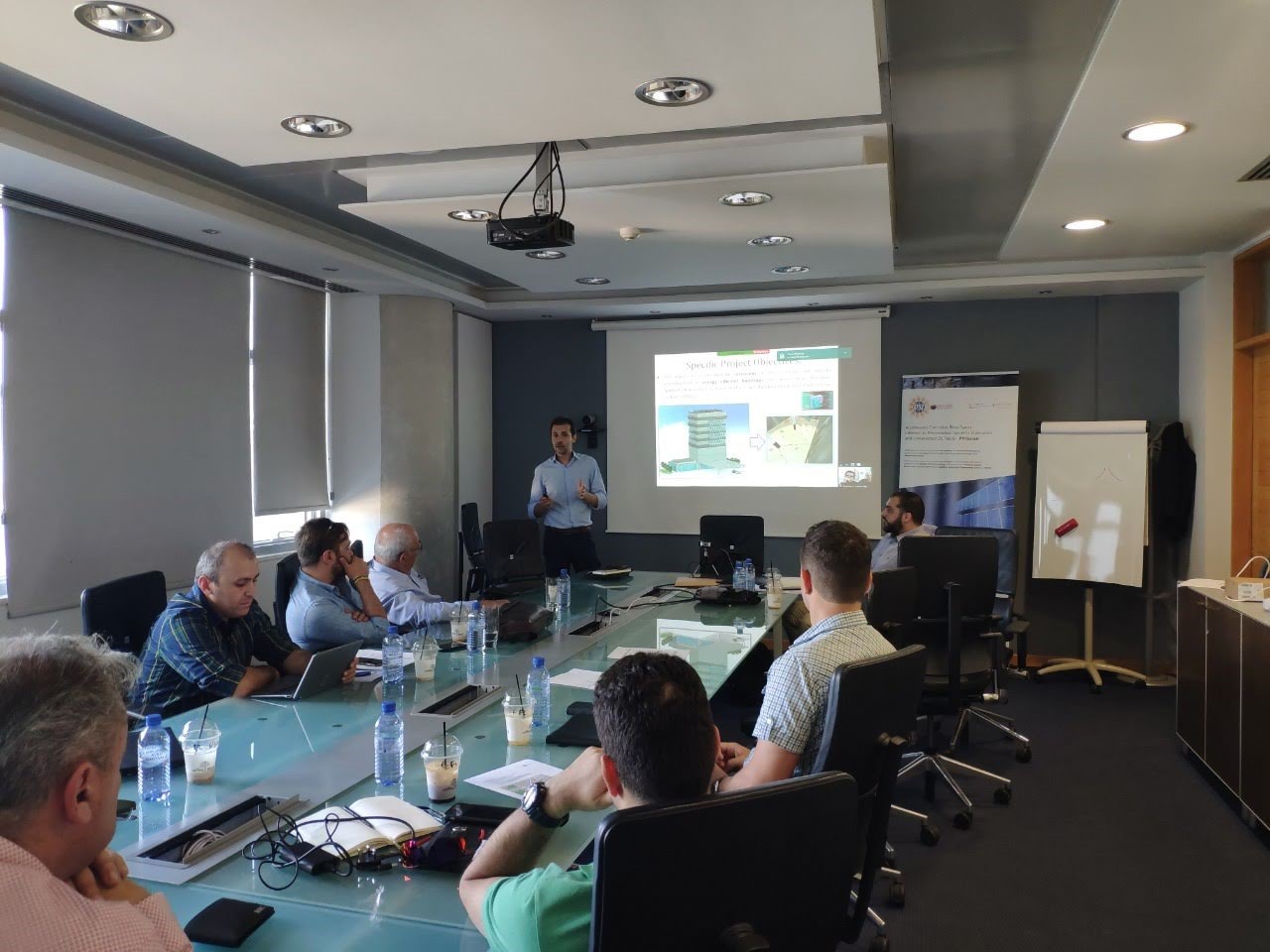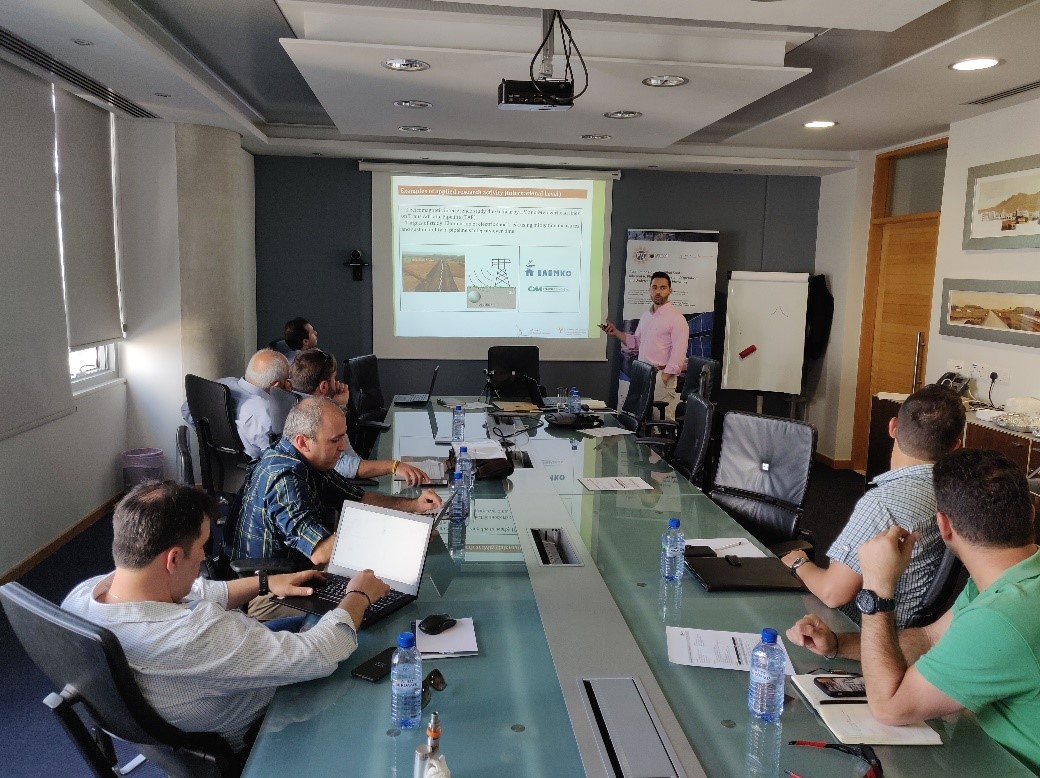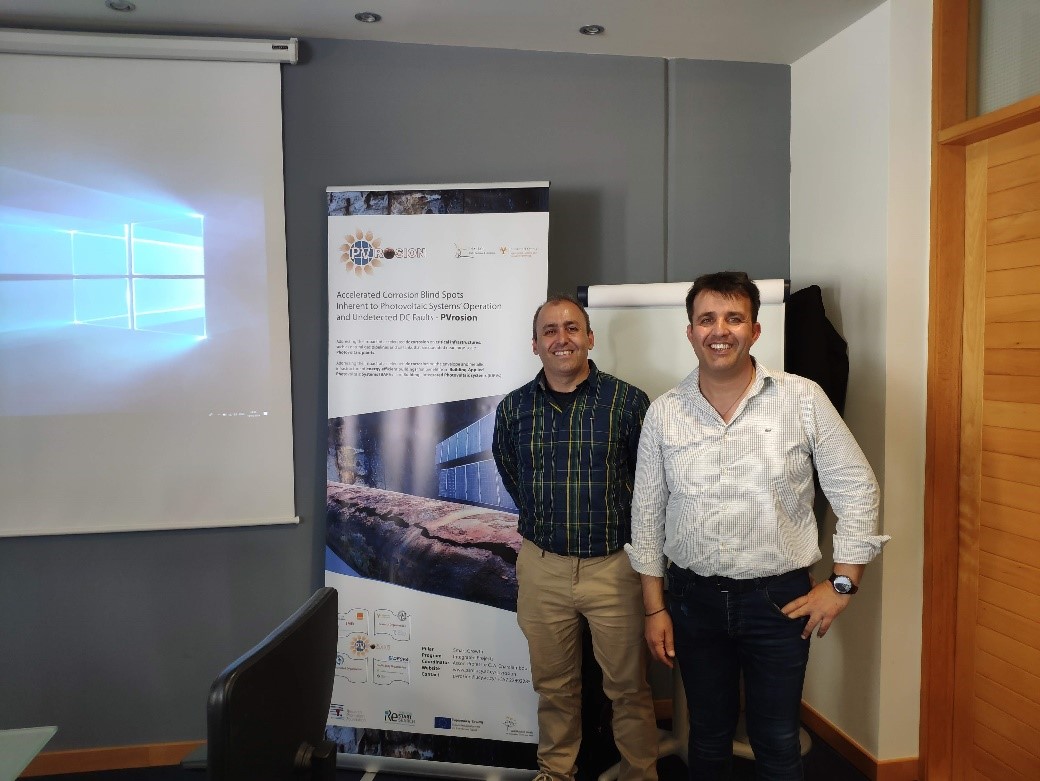
The PVrosion consortium held its official kick-off meeting on 14 May 2019. The project officially started on 1 January 2019 and will run for 3 years.
The consortium consists of the Power Systems Modelling Lab (University of Cyprus), the Department of Electrical and Mechanical Services (Cyprus Ministry of Transport, Communication & Works), SteelCor Research Infrastructure (Cyprus University of Technology), Nortest, Cypenergia, the Union of Licensed Electricians Cyprus, the High Voltage Lab (National Technical University of Athens) and Hellenic Copper Mines.
The accelerated corrosion issue on critical infrastructures and Buildings arises due to direct current (dc) leakage detection blind-spots, inherent to PV systems’ operation and dc fault detection mechanisms. The blind-spots are inherent to the existing thresholds for allowable dc leakage (emanating from PV systems) which have been so far based on other issues such as fire prevention or personnel safety. However, the level of allowable dc leakage from PV systems can be high enough to cause accelerated dc corrosion on nearby critical infrastructures and on buildings. This allowable dc leakage can effectively act as the Trojan horse when it comes to a cost-effectively maintaining the reliability and integrity of structural buildings and critical metallic infrastructures (e.g. natural gas pipelines).
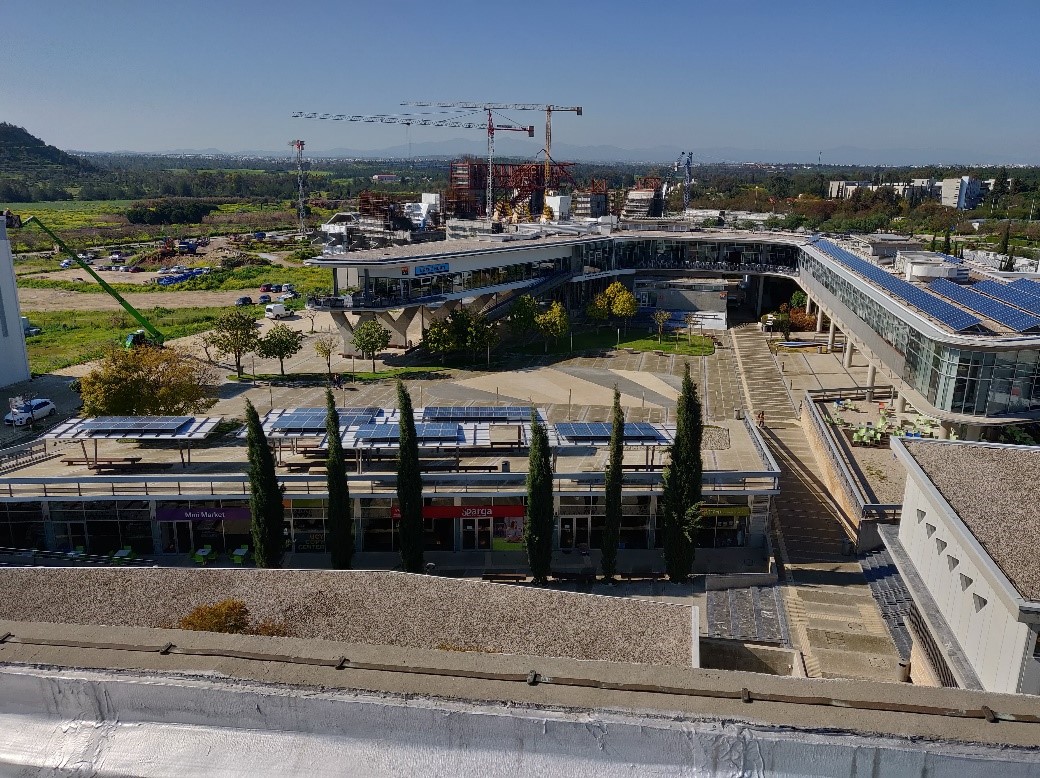
During the course of the PVrosion research project, the consortium will investigate the impact of accelerated dc corrosion on (i) critical infrastructures, such as natural gas pipelines and oil tanks that are operated near large-scale Photovoltaic plants and (ii) the envelope and metallic infrastructure of energy efficient buildings that benefit from Building-Applied Photovoltaic Systems (BAPVs) and Building-Integrated Photovoltaic systems (BIPVs).